


Building a Collaborative Agile Team
You’re about to turn a bunch of individuals into a high-performing agile team that can tackle even the toughest projects. Piece of cake, right? To get started, you’ll need to build trust, and that means creating a space where team members feel comfortable sharing their vulnerabilities. Give them autonomy, and they’ll own their tasks and take calculated risks. Effective communication is key, so make sure active listening and open communication are the norm. And don’t even think about ignoring diversity and inclusion – it’s the ultimate agility test. You’re just scratching the surface, but the real magic happens when you…
Key Takeaways
• Building trust amongst team members starts with creating an environment where they feel comfortable sharing their vulnerabilities.• Empowering team members through autonomy encourages them to take calculated risks, think creatively, and solve problems independently.• Effective communication involves active listening, clarifying questions, and open communication to avoid miscommunication and ensure understanding.• Fostering a growth mindset in team members helps tap their full potential by embracing challenges and learning opportunities.• Embracing diversity and inclusion creates an environment where everyone feels seen, heard, and valued, leading to a united and high-performing team.
Establishing a Culture of Trust

To build a collaborative agile team, you’ll need to kick-start the trust engine, and that means getting your team members to surrender their scepticism and buy into the idea that their colleagues won’t stab them in the back.
Building trust takes effort, and it starts with creating an environment where team members feel comfortable sharing their vulnerabilities. You know, those deep, dark secrets they’re afraid to admit, like ‘I have no idea what I’m doing’ or ‘I’m terrified of failing.’ Vulnerability sharing is key to breaking down those pesky walls we build around ourselves.
Once your team members are comfortable with being vulnerable, it’s time to take it up a notch with accountability pacts. This means making commitments to each other, and actually following through on them.
It’s not about being perfect; it’s about being reliable. When team members know they can count on each other, trust starts to grow.
And let’s be real, who doesn’t want to work with people who’ve got their back?
Empowering Team Members Through Autonomy
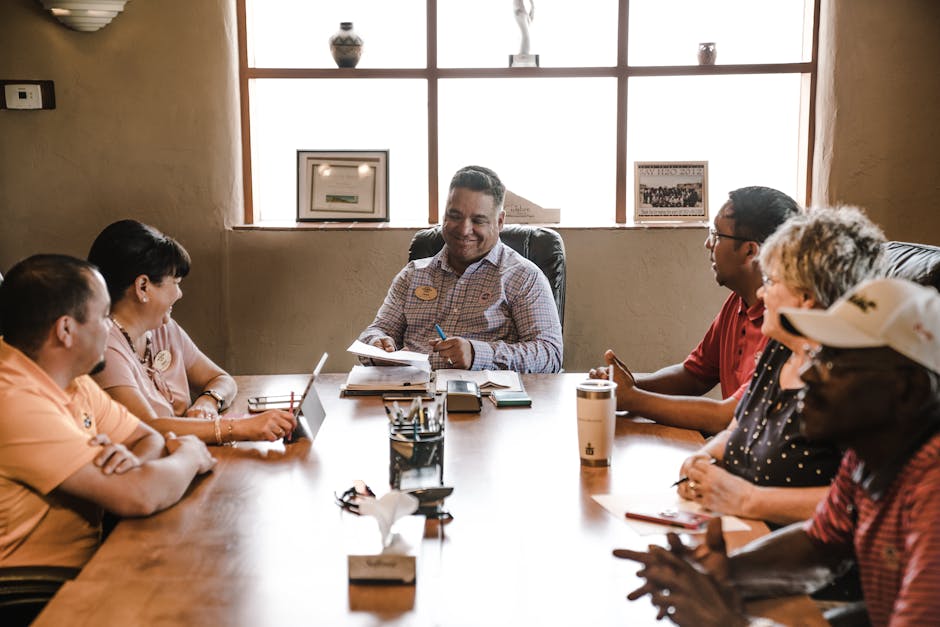
You’re probably tyred of being micromanaged, and your team members are no exception – giving them the autonomy to make their own decisions can be a powerful motivational tool. When you grant them the freedom to make choices, you’re basically saying, ‘I trust you to get the job done.’ And trust, as we all know, is a powerful bond-builder.
Autonomy is all about giving your team members the decision latitude they crave. It’s about letting them own their tasks, making them accountable for the outcome, and allowing them to figure out how to get there. This sense of Task Ownership is a potent motivator, as it taps into their innate desire for control and self-direction.
When you empower your team members, you’re not only boosting their morale but also encouraging them to take calculated risks, think creatively, and solve problems independently. And let’s be real, who doesn’t want to be the boss of their own domain, even if it’s just a tiny slice of the project? By giving them the reins, you’re creating an environment where innovation and growth can thrive.
Effective Communication Strategies

Frequently, the difference between a high-performing agile team and a struggling one lies in the quality of their communication, which is why establishing effective communication strategies is essential to your team’s success.
It’s not about being the loudest or most charismatic person in the room, but about being understood and understanding others.
As you build your agile team, remember that effective communication is a two-way street.
It’s not just about speaking, but also about listening – actively listening, that is.
When team members feel heard, they’re more likely to open up and share their ideas.
So, make sure you’re giving your undivided attention to the person speaking, and avoid interrupting or mentally preparing your response while they’re talking.
Clarifying questions are also essential in avoiding miscommunication.
Don’t assume you understand what someone means; instead, ask questions to clarify their perspective.
This will save you from misunderstandings and misinterpretations down the line.
It’s better to take a minute to clarify now than to waste hours fixing mistakes later.
Embracing Diversity and Inclusion

As you’ve mastered the art of active listening and clarified those pesky misunderstandings, it’s time to tackle the ultimate agility test: building a team that’s as diverse as it’s united. Think of it as the Olympics of teamwork – you need a dream team that’s got it all: different backgrounds, perspectives, and skills.
But, let’s get real, diversity without inclusion is just a fancy word for ‘Tokenistic Team Photo.’ You need to create an environment where everyone feels seen, heard, and valued.
So, where do you start? Cultural competence training is a great place to begin. It’s like a crash course in ‘How Not to Be Offensive 101.’ You’ll learn how to navigate those awkward conversations and avoid unintentionally offending your team-mates.
And, let’s be real, who doesn’t need a refresher on that?
But, cultural competence is just the beginning. You need to tackle the elephant in the room – unconscious bias awareness. It’s like that one aunt at the family reunion; you mightn’t want to acknowledge it, but it’s there, lurking in the shadows.
Fostering a Growth Mindset

With your team’s diversity and inclusivity in cheque, it’s time to tackle the ultimate agility hack: a growth mindset that’s more ‘bring it on‘ than ‘oh no, not again.’ You’re not just assembling a team; you’re cultivating a mindset that’s open to learning, experimentation, and iteration.
A growth mindset is the key to tapping your team’s full potential. It’s the difference between viewing challenges as threats or opportunities.
Embrace failures as learning opportunities, not threats to your ego.View criticism as constructive feedback, not personal attacks.
Focus on progress, not perfection.Celebrate small wins, not just milestones.
Prioritise learning journeys over static knowledge.
Conclusion
You’ve managed to cobble together a team of misfits who can actually stand each other’s company long enough to ship a decent product.
You’ve got a collaborative agile team that’s basically a unicorn – rare, magical, and prone to pooping glitter everywhere.
Now, don’t mess it up!
Contact us to discuss our services now!